
Vegetarian Stuffed Grape Leaves
Whenever I think of Vegetarian Stuffed Grape Leaves, I’m transported back to my grandmother’s kitchen, where fragrant herbs mingled in the air and laughter filled every corner. The process was always a family affair—my siblings and I would gather around the table, eager to help stuff the delicate leaves. Each one was a small gift wrapped in greens, brimming with a savory blend of rice and herbs. This dish is not just food; it’s a celebration of togetherness, a reminder of cozy afternoons spent crafting something beautiful and delicious. Making Vegetarian Stuffed Grape Leaves is an experience, one that takes you on a journey through layers of flavor and memories. As we roll each leaf, the anticipation builds; we know that soon we’ll be enjoying a dish that embodies love and tradition.
Recipe Snapshot
60 mins
20 mins
40 mins
Medium
150 kcal
3 g
Vegan, Gluten-Free
7 g
Large Pot, Food Processor, Saucepan, Skillet, Frying Pan, Wooden Spoon, Chef’s Knife, Mixing Bowl
The Magic of This Vegetarian Stuffed Grape Leaves
A Culinary Tradition
Every bite of Vegetarian Stuffed Grape Leaves carries the essence of my heritage. It’s a dish that has been passed down through generations, evolving yet remaining true to its roots. The vibrant flavors of fresh herbs combined with the tender grape leaves create a connection to my family’s story.
Wholesome Ingredients
This dish celebrates simple yet wholesome ingredients. The combination of pine nuts, rice, and aromatic herbs like dill and mint come together to create a filling that’s both satisfying and nourishing. The bright notes of lemon juice cut through the richness, adding a refreshing twist that makes each bite feel light.
Versatility at Its Best
Vegetarian Stuffed Grape Leaves are incredibly versatile. You can enjoy them warm or cold, making them perfect for any occasion. Whether you serve them at a picnic, as a starter, or as a light main dish, they never fail to impress. Plus, they’re a great make-ahead option!
A Dish for All Seasons
This dish is not just for special occasions; it’s suitable for any time of the year. The freshness of the ingredients makes it a perfect spring or summer dish, while its heartiness can warm up a chilly autumn evening. It’s a dish that truly transcends seasons.
Sharing is Caring
Making Vegetarian Stuffed Grape Leaves is a communal experience. It’s best enjoyed with family and friends, where everyone can dig in, share stories, and create new memories. There’s something special about gathering around a table laden with food you’ve all contributed to.
What to Buy for Vegetarian Stuffed Grape Leaves
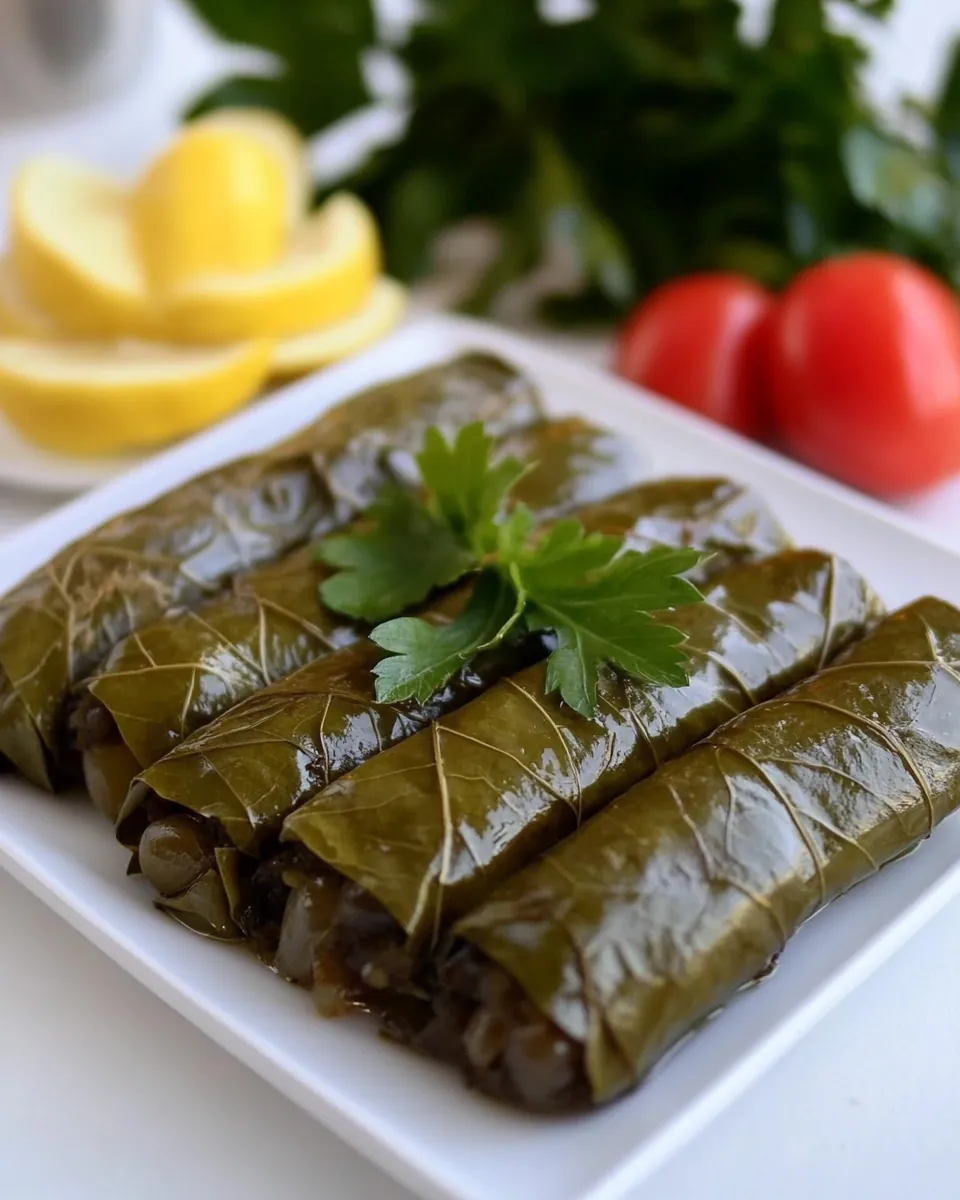
The ingredients for Vegetarian Stuffed Grape Leaves are a beautiful reflection of Mediterranean cuisine. Each component plays a vital role in creating a dish that is bursting with flavor and texture. The key players in this recipe are grape leaves, which wrap the delightful filling, making each piece a unique morsel of joy and tradition.
- Pine nuts: Toasting these little gems brings out their rich, nutty flavor, adding depth to the filling.
- Long grain white rice: This is the base of our filling, providing substance and texture.
- Onion: Sautéed until soft, it adds a sweet and savory element that enhances the overall flavor.
- Dill: Fresh dill brings a vibrant, herbal note that elevates the dish.
- Mint: A touch of mint adds brightness, making every bite feel refreshing.
- Lemon juice: This ingredient adds acidity, balancing the richness of the nuts and olive oil.
- Lemon zest: A hint of lemon zest enhances the citrusy flavor and aroma.
- Vegetable broth: It infuses the rice with flavor as it cooks, making the filling even more delicious.
- Grape leaves: The star of the dish, these leaves are wrapped around our filling, providing that unique taste and texture.
- Salt and pepper: Essential for seasoning, they bring all the flavors together.
- Extra virgin olive oil: Adds richness and depth to the dish.
- Fresh mint leaves, lemon slices, and olives: These make for a lovely garnish, adding color and extra flavor.
How to Assemble Vegetarian Stuffed Grape Leaves
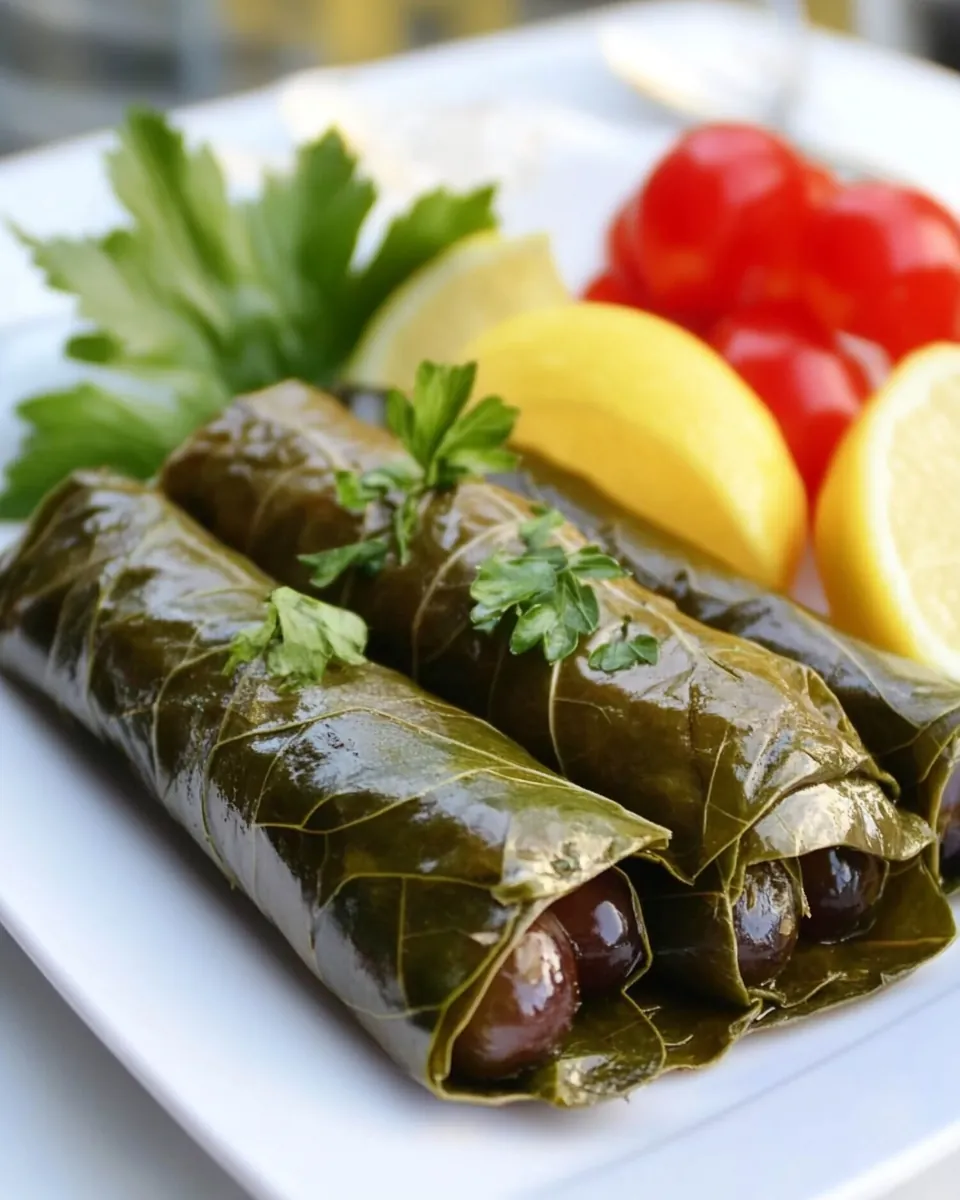
Preparing Vegetarian Stuffed Grape Leaves is a process, but it’s one filled with joy and anticipation. Each step brings you closer to that first bite of deliciousness. Let’s dive into how to make these wonderful bites!
- Start by pouring the pine nuts into a skillet over medium heat. Lightly toast them until they turn golden brown, which will enhance their flavor. Once toasted, set them aside for later.
- Next, add ¼ cup of olive oil into a medium pot and heat over medium. Toss in the minced onion and sauté until it becomes soft and translucent, filling your kitchen with a delightful aroma.
- Now it’s time to add the rice. Stir the rice into the pot, combining it with the cooked onion. Allow it to sauté for another minute, letting the flavors meld together.
- Pour in ¾ cup of vegetable broth and lower the heat. Let the mixture simmer uncovered for about 10 minutes until the liquid is absorbed and the rice is half cooked. Remember: don’t cook it fully, as you want it to remain al dente.
- Once the rice reaches that perfect texture, remove the pot from heat. Stir in the dill, mint, toasted pine nuts, 2 tablespoons of fresh lemon juice, and the lemon zest. Mix until well incorporated, then season with salt and pepper to taste. Let this filling cool to room temperature.
- Now, fill a large pot with salted water and bring it to a boil. As the water heats, prepare the grape leaves by trimming the stems flush with the leaves and removing any large veins. Place the leaves in the boiling water for 3 to 5 minutes until they soften and become pliable.
- Drain the leaves and cover them with cold water, then drain them again and pat dry. If you’re using fresh leaves, aim for medium-sized ones, as they’re more tender.
- Take a shiny side of a grape leaf and place it down on a flat surface. Add 2 tablespoons of the filling at the base end of the leaf, near the stem.
- Now, fold the stem end up over the filling, then fold the edges inward. Continue rolling the leaf until it forms a neat package. Be gentle and avoid rolling it too tightly; allow for the rice to expand during cooking.
- Once rolled, gently squeeze to seal the package. Repeat this process until all the filling is used up. Any damaged leaves can be placed in the bottom of the sauté pan as a lining.
- Arrange the stuffed leaves snugly in the bottom of the sauté pan in a single layer. If you run out of room, create a second layer on top.
- Pour 1 cup of broth, ¼ cup of olive oil, and ¼ cup of fresh lemon juice over the leaves. Heat the pan over medium until it begins to simmer—avoid boiling, as this can cause the leaves to fall apart. Cover the pot and allow the leaves to cook for 30 to 40 minutes until they are fork-tender.
- Finally, these stuffed grape leaves can be served warm or cold. They’re delicious on their own or topped with sauces like tzatziki or tahini. Store leftovers in the refrigerator, and they’ll keep well for about a week!
Things Worth Knowing
- Choose Fresh Leaves: Fresh grape leaves are often more tender than jarred ones. Look for younger leaves for the best results.
- Don’t Overcook: The rice should be partially cooked before wrapping to ensure it doesn’t become mushy.
- Keep It Light: You can adjust the amount of olive oil for a lighter option if you prefer.
- Experiment with Fillings: Feel free to add other ingredients like vegetables or spices to customize your filling.
Make It Your Own
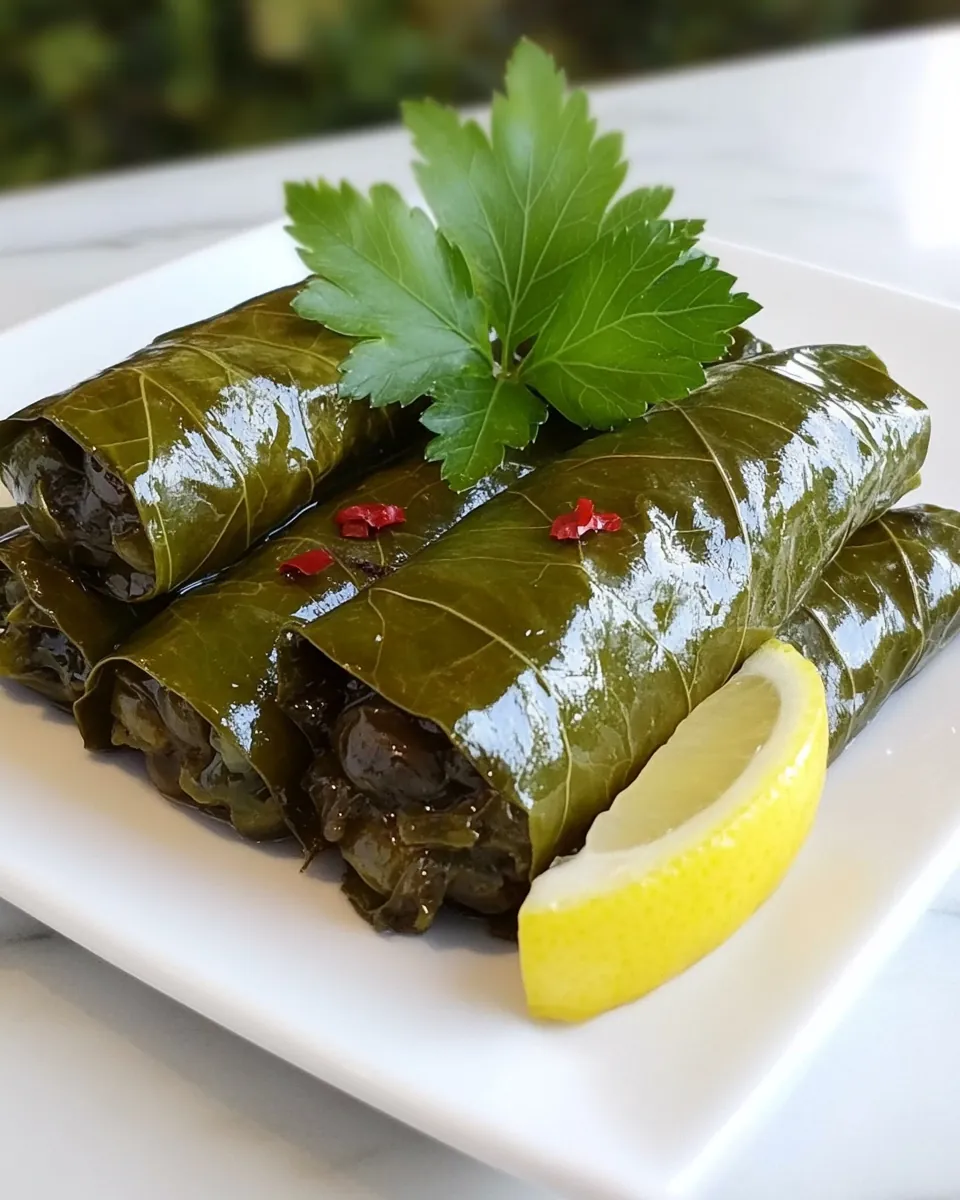
Personalizing Vegetarian Stuffed Grape Leaves can be a fun and creative process. Here are some ideas to make this dish truly yours:
- Storage: Leftovers can be stored in an airtight container in the refrigerator for up to one week. They taste even better the next day!
- Freezing: You can freeze the stuffed grape leaves before cooking. Just thaw and cook as per recipe instructions when you’re ready.
- Pairing: Serve with a side of tzatziki or tahini sauce for a delicious contrast of flavors.
- Herb Variations: Try adding other herbs like parsley or cilantro to the filling for a different flavor profile.
- Spice it Up: For those who enjoy a little heat, add a pinch of red pepper flakes to the filling to give it a kick.
- Presentation: Garnish with fresh mint leaves, lemon slices, and olives to elevate the dish visually.
Best Served With
When it comes to serving Vegetarian Stuffed Grape Leaves, there are endless possibilities. Here are some ideas to enhance your dining experience:
- Side Dishes: Pair them with a light salad, perhaps a refreshing tabbouleh or a simple cucumber salad, to complement the flavors.
- Occasions: These stuffed leaves are perfect for picnics, potlucks, or as a starter for a dinner party, offering a unique touch that impresses guests.
- Seasonal Pairings: They shine in spring and summer when fresh herbs are abundant, but they can also add warmth to autumn meals.
- Storage Tips: Place leftovers in a tightly sealed container in the fridge, where they’ll keep well for up to a week.
- Garnishes: Serve with a side of olives or roasted vegetables to elevate the dish and provide extra flavors.
FAQ
Conclusion
The beauty of Vegetarian Stuffed Grape Leaves lies in their ability to bring people together over a shared love of food and tradition. I encourage you to try making this dish for your next gathering or as a special treat for yourself. The mix of fresh herbs and wholesome ingredients is sure to delight your taste buds and create lasting memories around the table. Happy cooking!
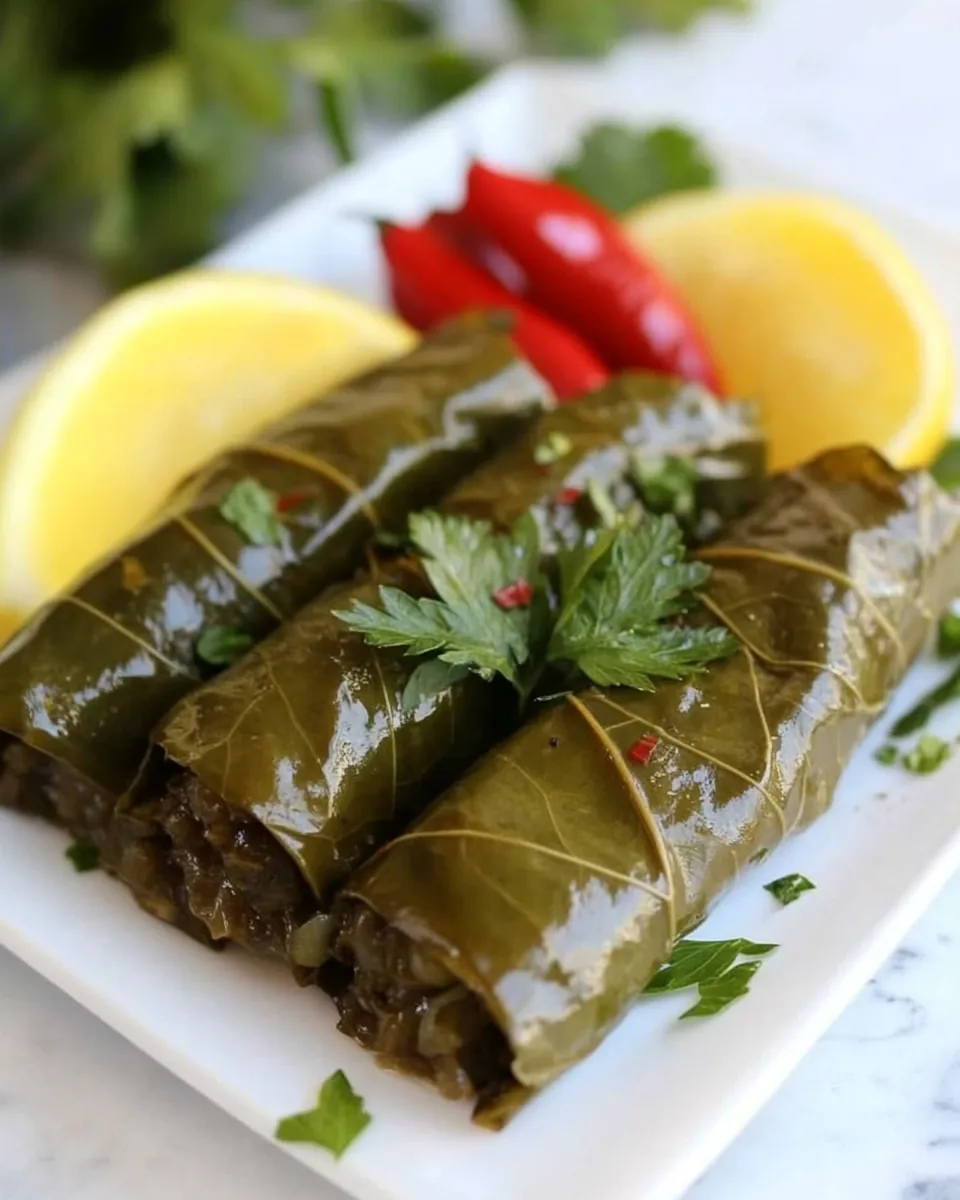
Vegetarian Stuffed Grape Leaves
Ingredients
Equipment
Method
- Start by pouring the pine nuts into a skillet over medium heat. Lightly toast them until they turn golden brown, which will enhance their flavor. Once toasted, set them aside for later.
- Next, add ¼ cup of olive oil into a medium pot and heat over medium. Toss in the minced onion and sauté until it becomes soft and translucent, filling your kitchen with a delightful aroma.
- Now it's time to add the rice. Stir the rice into the pot, combining it with the cooked onion. Allow it to sauté for another minute, letting the flavors meld together.
- Pour in ¾ cup of vegetable broth and lower the heat. Let the mixture simmer uncovered for about 10 minutes until the liquid is absorbed and the rice is half cooked. Remember: don't cook it fully, as you want it to remain al dente.
- Once the rice reaches that perfect texture, remove the pot from heat. Stir in the dill, mint, toasted pine nuts, 2 tablespoons of fresh lemon juice, and the lemon zest. Mix until well incorporated, then season with salt and pepper to taste. Let this filling cool to room temperature.
- Now, fill a large pot with salted water and bring it to a boil. As the water heats, prepare the grape leaves by trimming the stems flush with the leaves and removing any large veins. Place the leaves in the boiling water for 3 to 5 minutes until they soften and become pliable.
- Drain the leaves and cover them with cold water, then drain them again and pat dry. If you’re using fresh leaves, aim for medium-sized ones, as they’re more tender.
- Take a shiny side of a grape leaf and place it down on a flat surface. Add 2 tablespoons of the filling at the base end of the leaf, near the stem.
- Now, fold the stem end up over the filling, then fold the edges inward. Continue rolling the leaf until it forms a neat package. Be gentle and avoid rolling it too tightly; allow for the rice to expand during cooking.
- Once rolled, gently squeeze to seal the package. Repeat this process until all the filling is used up. Any damaged leaves can be placed in the bottom of the sauté pan as a lining.
- Arrange the stuffed leaves snugly in the bottom of the sauté pan in a single layer. If you run out of room, create a second layer on top.
- Pour 1 cup of broth, ¼ cup of olive oil, and ¼ cup of fresh lemon juice over the leaves. Heat the pan over medium until it begins to simmer—avoid boiling, as this can cause the leaves to fall apart. Cover the pot and allow the leaves to cook for 30 to 40 minutes until they are fork-tender.
- Finally, these stuffed grape leaves can be served warm or cold. They’re delicious on their own or topped with sauces like tzatziki or tahini. Store leftovers in the refrigerator, and they’ll keep well for about a week!
Notes
- Tip 1: Leftovers can be stored in an airtight container in the refrigerator for up to one week. They taste even better the next day!
- Tip 2: You can freeze the stuffed grape leaves before cooking. Just thaw and cook as per recipe instructions when you're ready.
- Tip 3: Serve with a side of tzatziki or tahini sauce for a delicious contrast of flavors.
- Tip 4: Try adding other herbs like parsley or cilantro to the filling for a different flavor profile.
- Tip 5: For those who enjoy a little heat, add a pinch of red pepper flakes to the filling to give it a kick.