
Armenian Easter Bread
Growing up, every Easter was a special time filled with family gatherings and delicious food. The star of our table was always the Armenian Easter Bread, or Choreg, a delightful braided bread that fills the air with an irresistible aroma. While the flavors dance through the house, I can’t help but reminisce about the joy of kneading the dough alongside my loved ones, our laughter echoing as we braid the strands together. It symbolizes not just the season but the unity of our family as we come together to celebrate. This bread is more than just a recipe; it’s a cherished tradition that has been passed down through generations, embodying the spirit of Easter. Let me take you on a culinary journey to recreate this beloved bread in your own kitchen, and share in the warmth it brings.
Recipe Snapshot
2 hr
60 mins
60 mins
Medium
300 kcal
8 g
Keto, Paleo, Whole30
12 g
Saucepan, Oven, Baking Sheet, Frying Pan, Mixing Bowl
What Makes This Armenian Easter Bread Special
1. A Tradition Passed Down
The Armenian Easter Bread is steeped in history and tradition, often prepared to celebrate Easter. Each family has its own recipe, and the joy of sharing a loaf with loved ones makes it all the more special.
2. Unique Flavor Profile
With its hint of mahleb, a spice made from the seeds of the St. Lucie cherry, this bread has an aromatic quality that you won’t find in typical bread recipes. The sweet notes elevate it, making it perfect for festive occasions.
3. Beautiful Presentation
The braiding technique used to shape the Armenian Easter Bread creates a stunning centerpiece for your table. Just imagine the compliments you’ll receive when you present this beautiful loaf to your guests!
4. Perfect for Sharing
This bread is exceptionally versatile. It can be served warm with butter, made into French toast, or enjoyed alongside your favorite cheeses and fruits. It’s a delightful addition to any Easter brunch.
5. Easy to Prepare
You might think making bread is complicated, but this recipe is straightforward. The process of kneading and braiding is therapeutic, making it an enjoyable experience even for novice bakers.
FAQ
Conclusion
The Armenian Easter Bread is not just a recipe; it’s a piece of cultural heritage that brings families together. Its unique flavor and beautiful presentation make it a standout dish for any celebration. I encourage you to try making this bread for your next gathering; the joy it brings is unmatched. You’ll create lovely memories in the kitchen while filling your home with delightful aromas. So, roll up your sleeves and embrace the warmth of tradition in your baking!
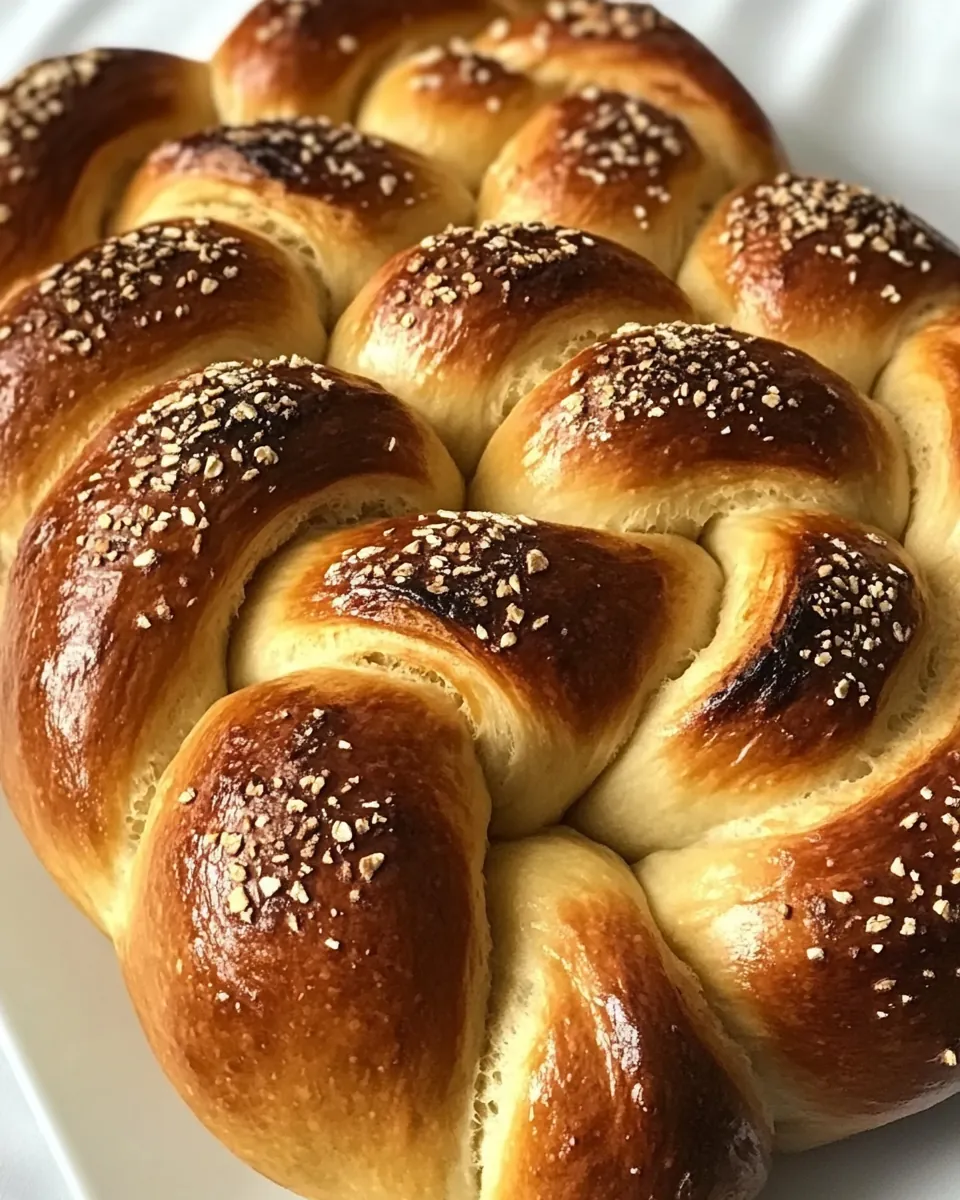
Armenian Easter Bread
Ingredients
Equipment
Method
- Dissolve the yeast in hot water along with some sugar and flour. Wait for about 10 minutes to allow the yeast to activate. Because of the addition of sugar, the mixture should get frothy and release carbon dioxide. Make sure your bowl isn't too small or it may overflow.
- Meanwhile, melt the butter and warm up the milk to a simmer in separate saucepans.
- In a mixing bowl, beat the eggs with the remaining 1 cup of sugar and vanilla extract. Then slowly add the hot milk, beating constantly, followed by the melted butter until well combined. Then beat in the yeast mixture. The liquid mixture should be fairly warm.
- In another large bowl, combine the flour, mahleb, baking powder, and salt. Create a well in the center of the dry mixture and pour in the liquid mixture.
- Use a large spoon to gently mix the dry mixture into the liquid, starting from the center and moving outward until all the dry mixture is moistened. Start using your hands to finish mixing and knead the dough.
- Transfer the dough to a floured surface and knead for about 10 to 15 minutes.
- Cover with foil and a towel and let it rise for about 2 hours. Knead again once it has doubled in size, for at least 5 minutes, and let it rise for one more hour.
- Divide the dough into 4 equal pieces and divide each of those into three equal parts.
- Roll the three parts of each to form a thick stick and braid them.
- Brush the top surface with egg yolk and sprinkle with sesame seeds.
- Preheat the oven to 356°F and bake for about 10 minutes. Then reduce the temperature to 320°F and bake for another 20 minutes.
Notes
- Storage: Keep leftover Armenian Easter Bread in an airtight container at room temperature for up to 3 days.
- Freezing: You can freeze the bread; just wrap it tightly in plastic and foil. It will last for up to 3 months.
- Pairing: Excellent with cheese, fruits, or as a breakfast treat with butter and jam.
- Variation: Experiment with adding nuts or dried fruits for a twist.
- Serving: Best served fresh, warm from the oven.