
Booyah Stew
When it comes to comfort food, nothing beats a hearty bowl of Booyah Stew. Growing up in a family that cherished traditions, this dish was a staple during the cold winter months. I remember my grandmother standing by the stove, the aroma of simmering meat and fresh vegetables filling the air. She would gather everyone around, sharing stories and laughter as we waited for the stew to bubble to perfection. Each bowl served was a warm hug, a reminder of home, and a celebration of family. The rich flavors, along with a touch of nostalgia, make Booyah Stew a dish that’s perfect for chilly nights or any gathering with loved ones. It’s not just a meal; it’s a moment in time that brings us all together.
Recipe Snapshot
3 hr 30 mins
30 mins
180 mins
Hard
450 kcal
35 g
Keto, Paleo, Whole30
20 g
Large Pot, Saucepan, Oven, Peeler, Wooden Spoon, Cutting Board, Chef’s Knife
What We Adore About This Booyah Stew
Heartwarming Tradition
One of the things I love most about Booyah Stew is its deep-rooted tradition. Originating from the Midwest, this dish has been passed down through generations. Families have their unique twists, but the essence remains the same: a rich, flavorful stew that warms both body and soul.
Rich and Flavorful
The combination of tender meats like chicken and beef, along with hearty vegetables, creates a depth of flavor that’s hard to resist. As you take the first spoonful, the savory broth wraps around your taste buds, bringing a sense of comfort and contentment.
Perfect for Feeding a Crowd
Whether it’s a family gathering or a cozy night in, Booyah Stew is ideal for feeding a crowd. With its generous servings and satisfying ingredients, you can easily prepare enough for everyone and still have leftovers!
Versatile Ingredients
This stew allows for creativity with ingredients. You can swap in your favorite vegetables or adjust the seasoning to suit your taste. It’s a flexible recipe that invites experimentation, and each time you make it, you can create something uniquely yours.
Meal Prep Friendly
One of the best parts about Booyah Stew is that it’s even better the next day. The flavors meld beautifully overnight, making it a fantastic choice for meal prep. You can make a large batch and enjoy it throughout the week, making busy days much easier.
Ingredients You’ll Need for Booyah Stew
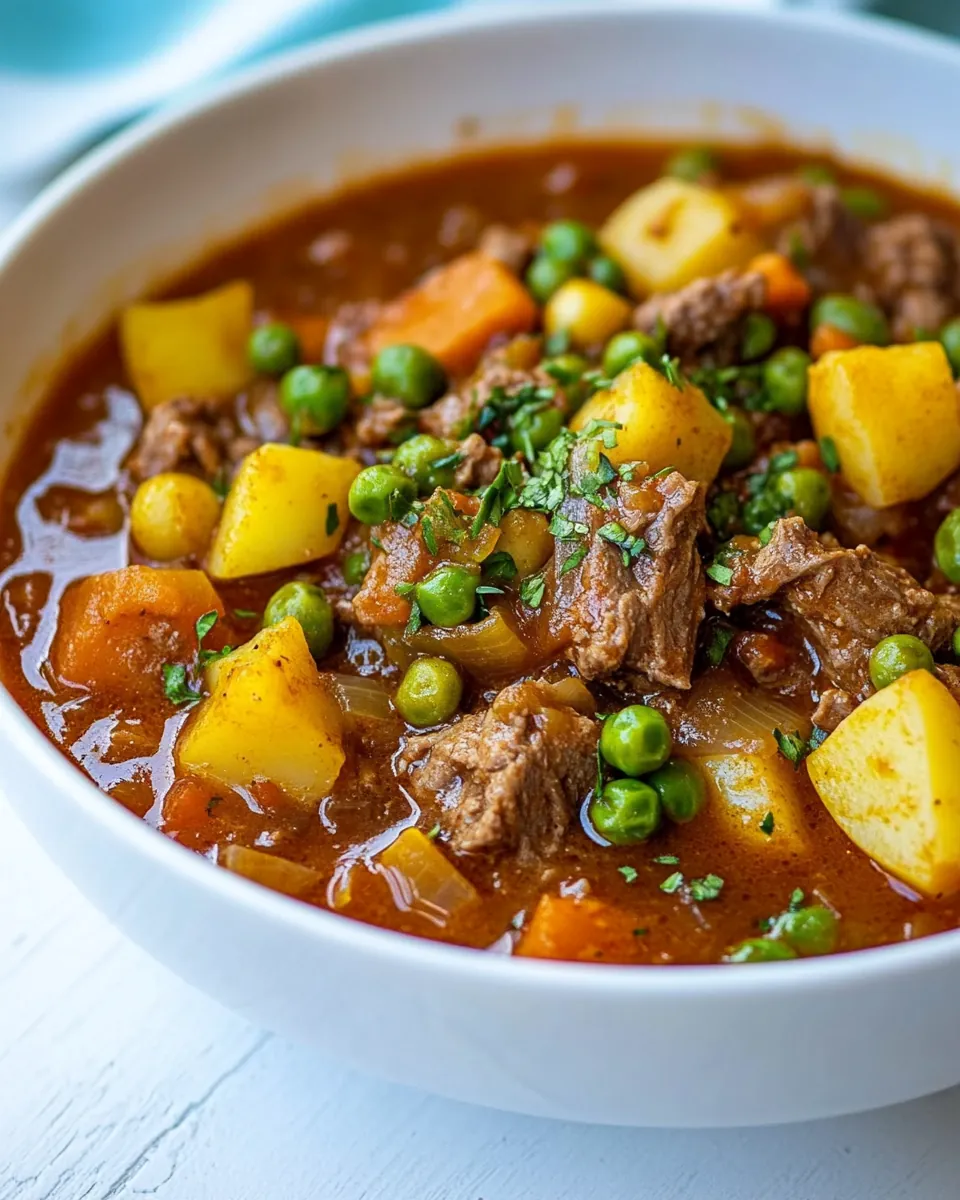
Gathering the right ingredients is essential to creating a delicious Booyah Stew. Each component plays a vital role in building the stew’s rich flavor and hearty texture. From the savory meats to the fresh vegetables, these ingredients work beautifully together to create a dish that warms the soul.
- 2 1/2 pounds bone-in short ribs, trimmed
- 2 1/2 pounds bone-in chicken thighs, trimmed
- Salt and freshly ground black pepper, to taste
- 1 tablespoon olive oil
- 2 onions, coarsely chopped
- 2 celery ribs, coarsely chopped
- 8 cups chicken broth
- 2 bay leaves
- 4 cups cabbage, shredded (from 1 small head)
- 28 ounces diced tomatoes, undrained
- 8 ounces rutabaga, peeled and cut into 1/2-inch pieces
- 1 pound russet potatoes, peeled and cut into 1/2-inch pieces
- 3 large carrots, peeled and sliced 1/4-inch thick
- 1 cup frozen peas
- Lemon juice, for serving, optional
Step by Step Instructions for Booyah Stew
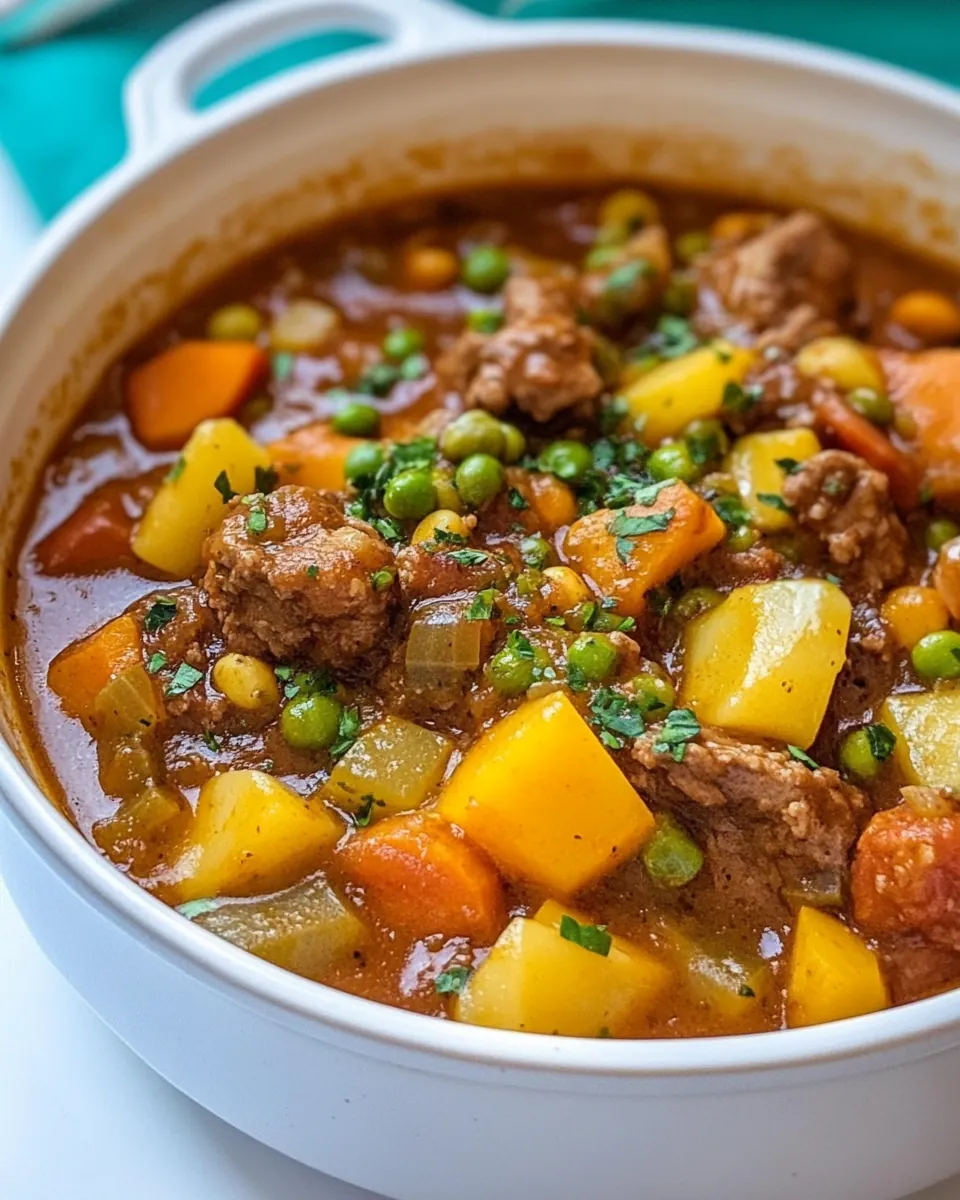
Making Booyah Stew is a rewarding process that brings all the flavors together beautifully. Follow these simple steps to create a hearty dish that will have everyone asking for seconds!
- Start by patting the beef and chicken dry using paper towels. This helps to season both sides evenly with salt and pepper.
- In a large Dutch oven or stockpot (at least 5 ½ quarts), heat the olive oil over medium-high heat until it’s just smoking. Carefully add the beef and cook, flipping occasionally, until it’s browned on all sides. This should take about 10 minutes. Once done, remove it from the pot and set it aside.
- Next, add the chicken to the same pot, cooking until browned on both sides, which will also take about 10 minutes. Once cooked, remove it from the pot and set it aside with the beef.
- Without draining the fat from the pot, reheat the rendered fat over medium-high heat until it shimmers. Add in the onions and celery, cooking until they’ve softened, about 3 to 5 minutes.
- Stir in the chicken broth and add the bay leaves. Make sure to scrape up any browned bits stuck to the bottom of the pot as these add incredible flavor.
- Return the short ribs and chicken to the pot, bringing everything to a boil. Once boiling, reduce the heat to low, cover, and let it simmer until the chicken reaches an internal temperature of 175 degrees on an instant-read thermometer, about 25 to 30 minutes.
- Remove the chicken from the pot. Once it’s cool enough to handle, discard the bones and shred the meat into bite-sized pieces. Cover and refrigerate the shredded chicken until ready to use.
- Let the stew simmer on low heat, cooking the beef until tender, which should take 75 to 90 minutes. Once tender, remove it from the pot, allowing it to cool before discarding the fat and any inedible connective tissue.
- Strain the broth through a fine-mesh strainer, discarding the solids. Allow the liquid to settle for about 5 minutes, then skim off any fat and return the liquid to the pot.
- To the strained broth, add the shredded beef, cabbage, diced tomatoes with their juice, rutabaga, potatoes, and carrots. Reduce the heat to medium and simmer until all the vegetables are tender, about 30 to 35 minutes.
- Finally, stir in the chicken and peas, cooking until heated through. Taste and season with more salt and pepper if desired. Serve warm with fresh lemon wedges if you like.
Things Worth Knowing
- Quality Ingredients: Use high-quality meat and fresh vegetables for the best flavor. The quality directly impacts the stew’s richness.
- Low and Slow Cooking: Cooking the stew slowly allows flavors to meld beautifully. Resist the urge to rush it; the longer it simmers, the better it tastes.
- Test for Tenderness: Always check the tenderness of the beef and chicken. It should be fork-tender before serving.
- Adjust Seasoning: Don’t forget to taste as you go! Seasoning is key to a flavorful stew, so adjust the salt and pepper according to your preference.
Recipe Notes about Booyah Stew
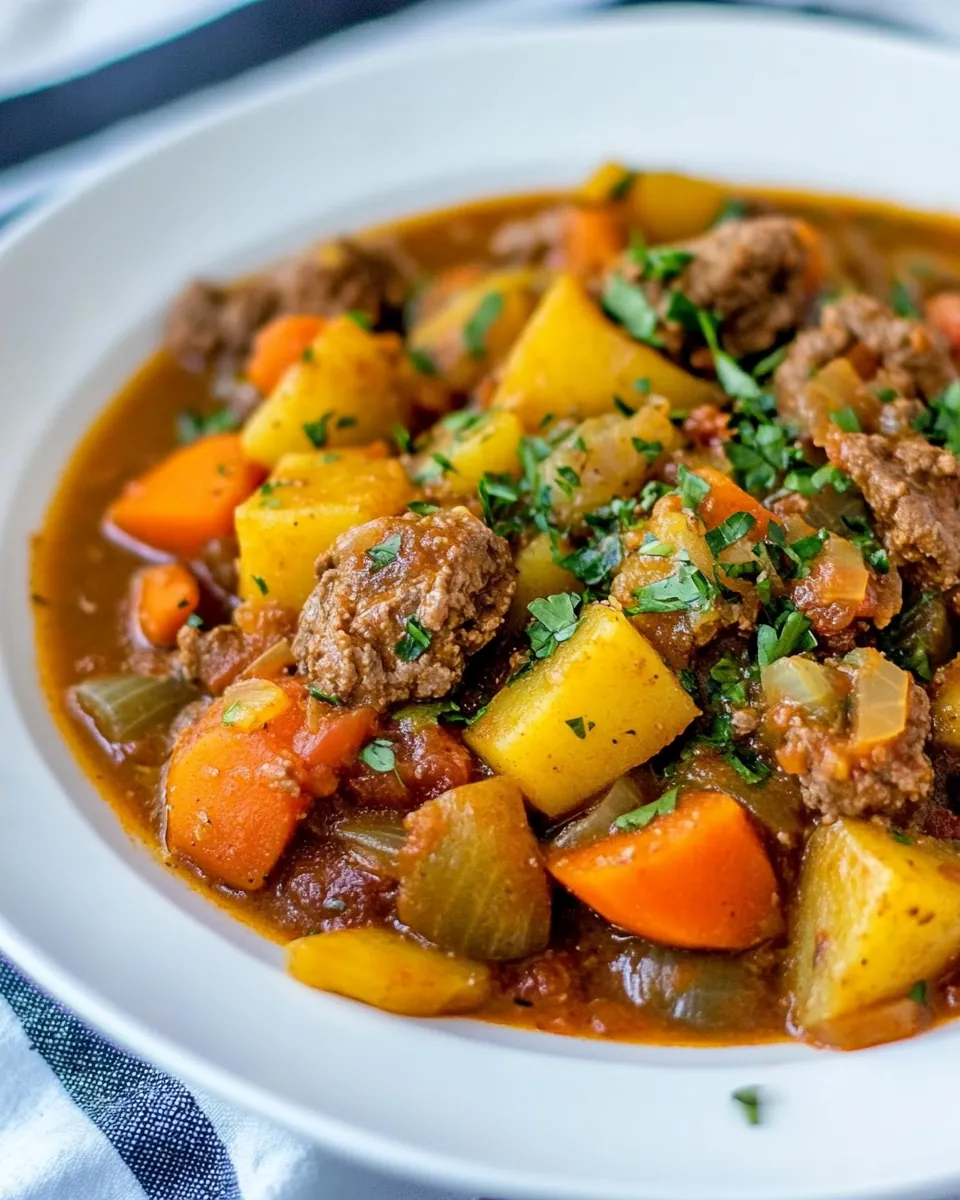
If you’re looking to make the most of your Booyah Stew, here are some helpful tips to ensure it turns out perfectly every time.
- Storage: Store leftovers covered in the refrigerator for up to 4 days. Make sure to let it cool before sealing it in an airtight container.
- Freezing: This stew freezes well. Cool it completely, then package it into freezer-safe containers. It can be frozen for up to 3 months. Thaw overnight in the refrigerator before reheating.
- Make Ahead: The broth can be prepared a day or two in advance, making it easier to scrape off the excess fat once chilled.
- Variations: Feel free to customize this recipe by adding different vegetables or seasoning to suit your tastes. The Booyah Stew is versatile and will adapt well!
- Serving Suggestions: Serve with crusty bread or over a bed of rice for a complete meal. It pairs wonderfully with a simple side salad.
Serving Suggestions
Serving Booyah Stew is a joy in itself. Here are some delightful ideas to complement this delicious dish:
- Crusty Bread: A thick slice of crusty bread is perfect for dipping and soaking up the flavorful broth.
- Side Salads: A fresh green salad with a light vinaigrette pairs well, offering a refreshing contrast to the warm stew.
- Seasonal Additions: In colder months, adding fresh herbs like thyme or rosemary can enhance the flavors.
- Occasions: This stew is perfect for winter gatherings, family dinners, or any occasion where you want to bring friends and family together over a hearty meal.
- Storage Tips: If you have leftovers, store them in an airtight container. The stew can be reheated gently on the stove over low heat.
FAQ
Conclusion
In conclusion, Booyah Stew is a heartwarming dish that brings family and friends together around the table. With its rich flavors and comforting warmth, this stew is perfect for any time of the year, especially during the colder months. I encourage you to try making it yourself and to create your own traditions with this beloved recipe.
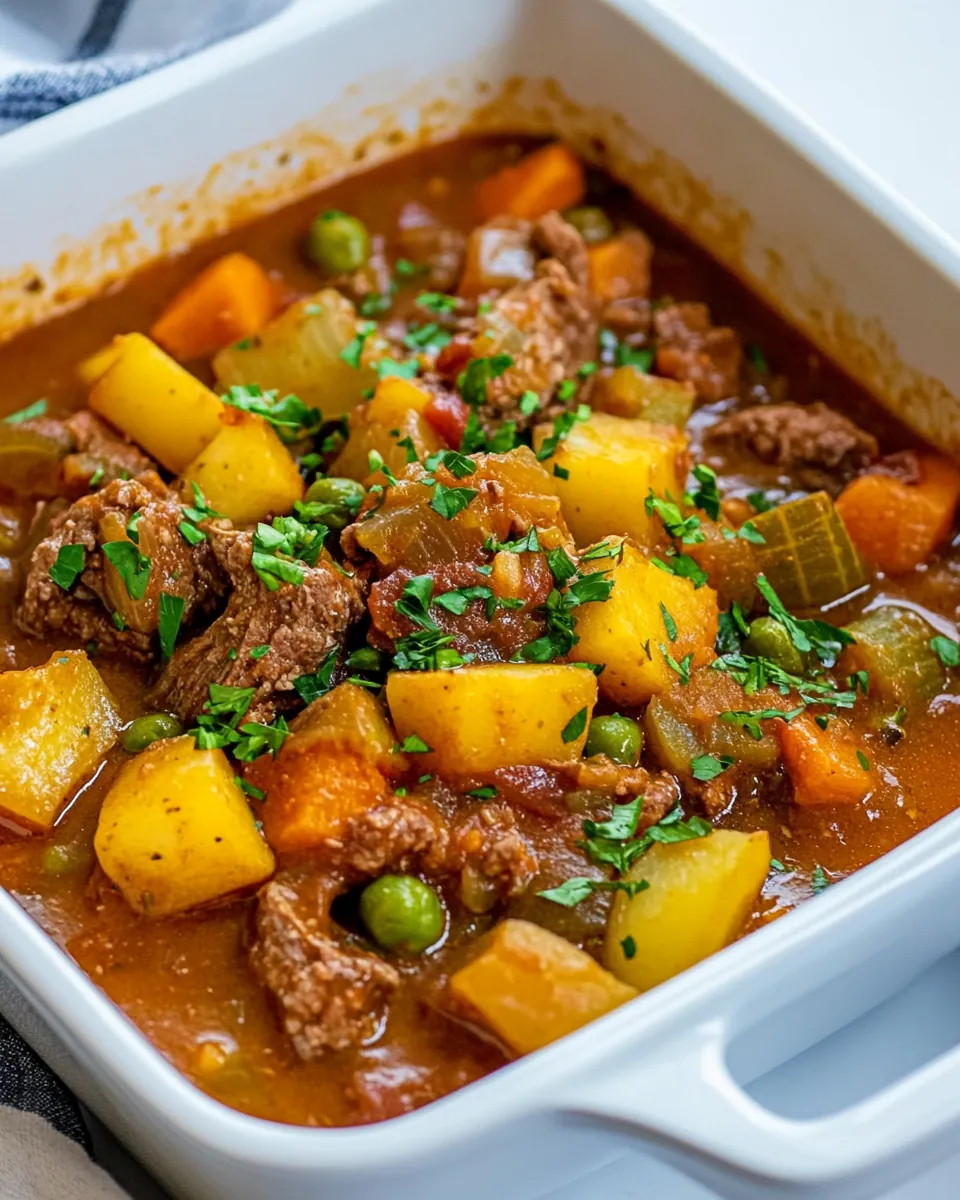
Booyah Stew
Ingredients
Equipment
Method
- Pat beef and chicken dry with paper towels and season on both sides with salt and pepper.
- In a large Dutch oven or large stockpot (at least 5 ½ quarts), heat olive oil until just smoking. Add beef and cook, flipping occasionally, until browned on all sides, about 10 minutes total. Remove from pot and set aside.
- Add the chicken to the pot and cook, flipping occasionally, until browned on both sides, about 10 minutes total. Remove from pot set aside. When the chicken is cool enough to handle, remove and discard skin. Do not drain fat from pot.
- In the same pot, reheat rendered fat over medium-high heat until shimmering. Add onions and celery, and cook until softened, about 3 to 5 minutes.
- Stir in broth and bay leaves, scraping up any browned bits on the bottom of the pot. Add back short ribs and chicken, and bring to boil. Reduce heat to low, cover, and simmer until chicken is 175 degrees on an instant-read thermometer, about 25 to 30 minutes.
- Remove chicken from pot. When chicken is cool enough to handle, remove and discard bones. Shred chicken into bite-sized pieces. Cover and refrigerate chicken.
- Continue cooking the stew until the beef is tender, about 75 to 90 minutes longer. Remove beef from pot. When beef is cool enough to handle, remove and discard fat, bones, and any inedible connective tissue.
- Strain broth through a fine-mesh strainer, discarding solids. Allow liquid to settle, about 5 minutes, then skim off fat and return liquid to pot (expect 1-2 cups of fat).
- To the pot with the broth, add the shredded beef, cabbage, diced tomatoes and juice, rutabaga, potato, and carrots. Reduce heat to medium and simmer until all vegetables are tender when pierced with a paring knife, 30 to 35 minutes.
- Add chicken and peas and cook until heated through, stirring occasionally. Season to taste with salt and pepper.
Notes
- Bone-in short ribs and chicken thighs: The bones lend a thick, luscious consistency to the homemade broth. After cooking the beef, be sure to remove any extraneous cartilage before shredding; leaving that in can make some bites too chewy to consume.
- Chicken broth: You’ll need 8 cups of chicken broth, which is about 4 small cans or 2 large cartons of store-bought. If you’re really feeling ambitious, feel free to start with homemade chicken broth.
- Rutabaga: Not a fan of this root vegetable? Leave it out and add an extra potato.
- Lemon wedges: These are optional, but highly recommended; squeeze on just prior to serving for a welcome burst of acidity and brightness.
- Storage: Store leftovers covered in the refrigerator for up to 4 days.
- Make ahead: The broth can be made a day or two in advance. It’s much easier to scrape excess fat off the top of the broth when it’s chilled.
- Freezer: Cool and package into freezer-safe containers. Label, date, and freeze for up to 3 months. Thaw overnight in the refrigerator before reheating.