Go Back
Booyah Stew

Booyah Stew

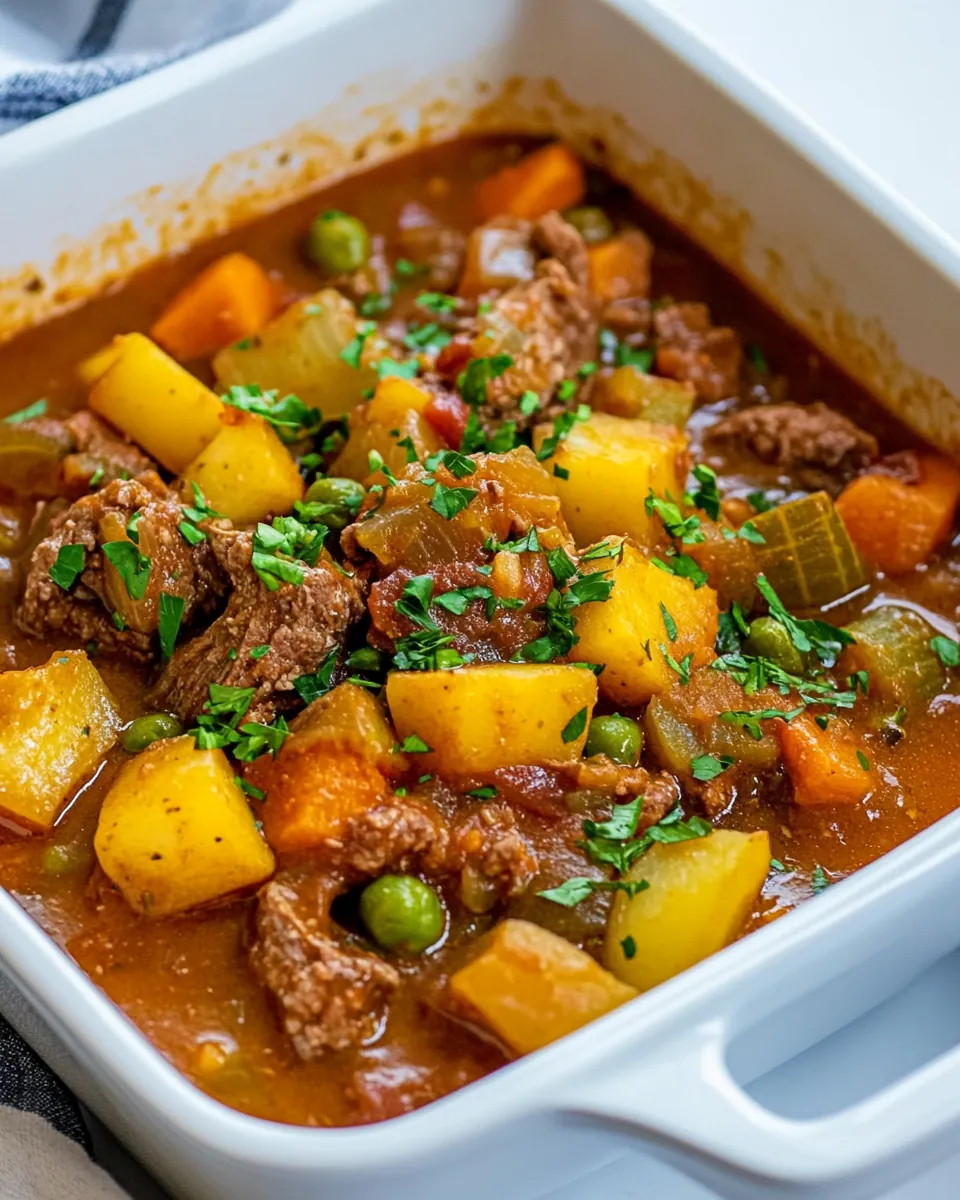
The ultimate comfort food, Booyah Stew is a rich and hearty dish packed with tender meats and fresh vegetables. This easy weeknight dinner is perfect for feeding a crowd or enjoying leftovers during a cozy night in. You won’t want to miss out on making this delicious stew tonight!
Prep Time 30 minutes
Cook Time 3 hours
Total Time 3 hours 30 minutes
Servings: 10 servings
Course: Dinner
Cuisine: American
Calories: 450

Ingredients
  

  • 2 1/2 pounds bone-in short ribs trimmed
  • 2 1/2 pounds bone-in chicken thighs trimmed
  • Salt to taste
  • 1 tablespoon olive oil
  • 2 onions coarsely chopped
  • 2 celery ribs coarsely chopped
  • 8 cups chicken broth
  • 2 bay leaves
  • 4 cups cabbage shredded (from 1 small head)
  • 28 ounces diced tomatoes undrained
  • 8 ounces rutabaga peeled and cut into 1/2-inch pieces
  • 1 pound russet potatoes peeled and cut into 1/2-inch pieces
  • 3 large carrots peeled and sliced 1/4-inch thick
  • 1 cup frozen peas
  • lemon juice for serving, optional

Equipment

  • Large Pot
  • Saucepan
  • Oven
  • Peeler
  • Wooden Spoon
  • Cutting Board
  • Chef's Knife

Method
 

  1. Pat beef and chicken dry with paper towels and season on both sides with salt and pepper.
  2. In a large Dutch oven or large stockpot (at least 5 ½ quarts), heat olive oil until just smoking. Add beef and cook, flipping occasionally, until browned on all sides, about 10 minutes total. Remove from pot and set aside.
  3. Add the chicken to the pot and cook, flipping occasionally, until browned on both sides, about 10 minutes total. Remove from pot set aside. When the chicken is cool enough to handle, remove and discard skin. Do not drain fat from pot.
  4. In the same pot, reheat rendered fat over medium-high heat until shimmering. Add onions and celery, and cook until softened, about 3 to 5 minutes.
  5. Stir in broth and bay leaves, scraping up any browned bits on the bottom of the pot. Add back short ribs and chicken, and bring to boil. Reduce heat to low, cover, and simmer until chicken is 175 degrees on an instant-read thermometer, about 25 to 30 minutes.
  6. Remove chicken from pot. When chicken is cool enough to handle, remove and discard bones. Shred chicken into bite-sized pieces. Cover and refrigerate chicken.
  7. Continue cooking the stew until the beef is tender, about 75 to 90 minutes longer. Remove beef from pot. When beef is cool enough to handle, remove and discard fat, bones, and any inedible connective tissue.
  8. Strain broth through a fine-mesh strainer, discarding solids. Allow liquid to settle, about 5 minutes, then skim off fat and return liquid to pot (expect 1-2 cups of fat).
  9. To the pot with the broth, add the shredded beef, cabbage, diced tomatoes and juice, rutabaga, potato, and carrots. Reduce heat to medium and simmer until all vegetables are tender when pierced with a paring knife, 30 to 35 minutes.
  10. Add chicken and peas and cook until heated through, stirring occasionally. Season to taste with salt and pepper.
Notes

  • Bone-in short ribs and chicken thighs: The bones lend a thick, luscious consistency to the homemade broth. After cooking the beef, be sure to remove any extraneous cartilage before shredding; leaving that in can make some bites too chewy to consume.
  • Chicken broth: You’ll need 8 cups of chicken broth, which is about 4 small cans or 2 large cartons of store-bought. If you’re really feeling ambitious, feel free to start with homemade chicken broth.
  • Rutabaga: Not a fan of this root vegetable? Leave it out and add an extra potato.
  • Lemon wedges: These are optional, but highly recommended; squeeze on just prior to serving for a welcome burst of acidity and brightness.
  • Storage: Store leftovers covered in the refrigerator for up to 4 days.
  • Make ahead: The broth can be made a day or two in advance. It’s much easier to scrape excess fat off the top of the broth when it’s chilled.
  • Freezer: Cool and package into freezer-safe containers. Label, date, and freeze for up to 3 months. Thaw overnight in the refrigerator before reheating.